Kundli Matching: What the 36 Guna Milan Points Mean
The familiar score is an eight-part screening system—not a verdict on a marriage. Here is what it measures, what it leaves out, and how to use it with perspective.
Where the 36 points come from
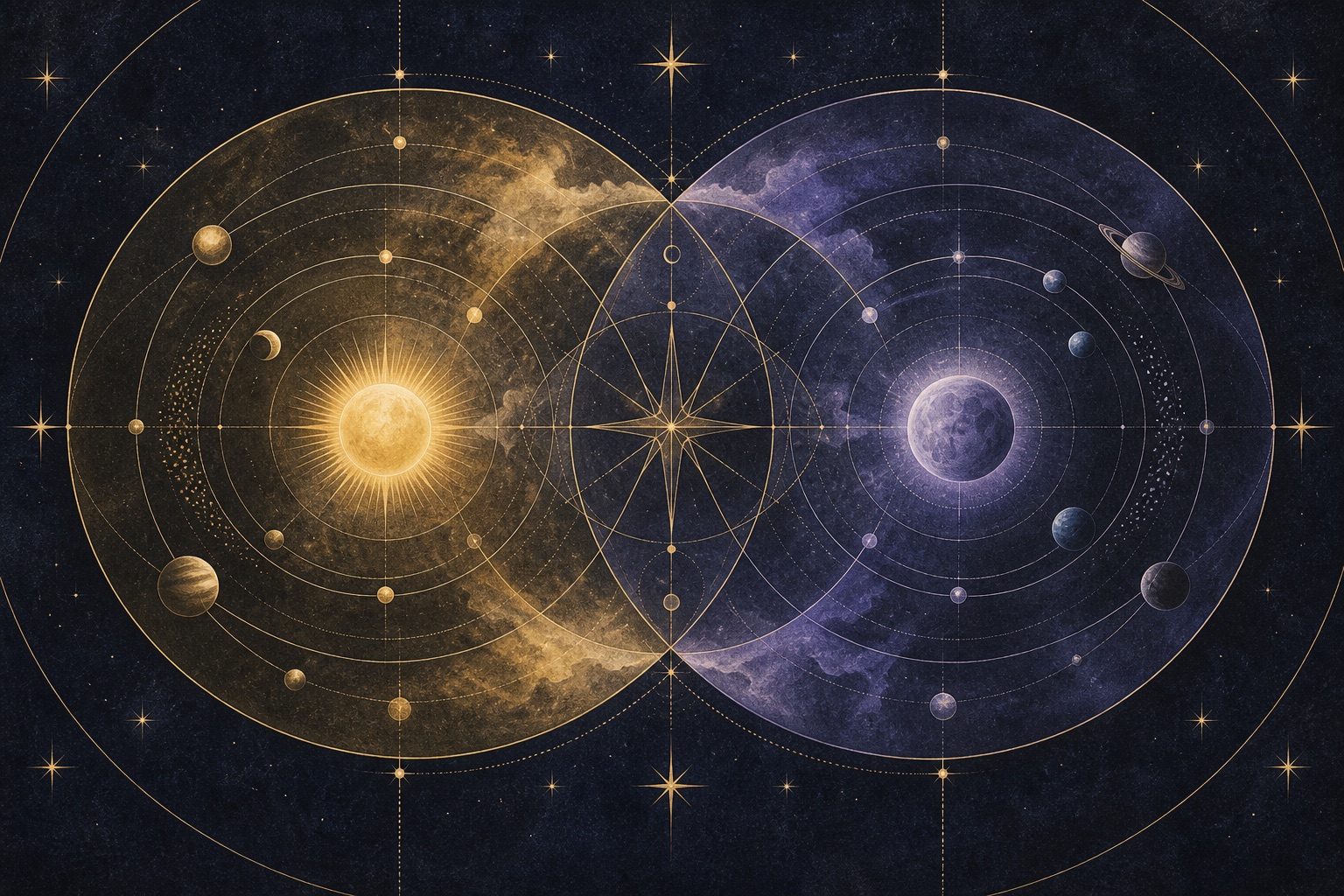
Guna Milan, often called Ashtakoota matching, compares the birth nakshatras of two people across eight kootas. Each koota receives a maximum number of points; together they total 36. The method is most closely associated with North Indian matchmaking traditions and is not the only compatibility system used across India.
The calculation relies heavily on the Moon’s nakshatra and sign. That makes it a focused tool for traditional measures of temperament and relational harmony—not a complete comparison of two birth charts.
- Varna 1 · Vashya 2 · Tara 3 · Yoni 4
- Graha Maitri 5 · Gana 6 · Bhakoot 7 · Nadi 8
What each koota is trying to describe
Varna is traditionally linked with disposition and spiritual outlook. Vashya considers patterns of influence. Tara examines nakshatra-based wellbeing. Yoni uses symbolic animal categories to discuss instinctive and intimate compatibility. Graha Maitri compares the friendship of Moon-sign lords; Gana groups temperamental style; Bhakoot assesses the relationship between Moon signs; Nadi, carrying the largest weight, is traditionally connected with constitution and progeny.
These categories belong to an inherited symbolic system. They should not be treated as medical tests, psychological diagnoses or evidence that one partner is superior to another.
Keep in mindA score is a summary of rules. It cannot observe kindness, conflict repair, financial honesty, emotional safety or whether two people genuinely want the same life.
How to understand the total
Many practitioners treat 18 as a conventional minimum, with higher bands described as increasingly favourable. But totals hide distribution. Two couples can both score 24 while differing sharply in which factors matched. Some traditions also apply cancellation rules for Bhakoot or Nadi concerns.
That is why the useful question is not simply ‘Is 25 good?’ It is: which areas aligned, which did not, do the underlying charts support partnership, and do the people handle the real-world differences well?
- Below 18: traditionally reviewed with extra care
- 18–24: often described as workable or acceptable
- 25–32: often described as favourable
- 33–36: uncommon and not a guarantee of relationship quality
What a fuller chart comparison adds
A broader Vedic comparison may examine the seventh house and its lord, Venus and Jupiter according to the tradition used, the Moon, Mars, Navamsha (D9), current dashas and longevity considerations. Western synastry, when used, asks a different set of questions through inter-chart aspects.
More techniques do not automatically produce more truth. A good consultation explains the method, identifies repeated themes and distinguishes a manageable difference from a serious concern. It should never use a low score to frighten, shame or pressure a couple.
Keep in mindCompatibility is not equality of personality. Often the practical issue is whether differences can be understood and negotiated.
A sensible way to use matching
Use Guna Milan as a conversation prompt. A lower Graha Maitri result might invite discussion about how each person processes emotions. A concern in Gana may prompt questions about pace, directness or household expectations. Then compare that symbolism with the relationship you actually have.
Before marriage, talk plainly about children, money, caregiving, faith, career location, family boundaries and conflict. If there is coercion, contempt or abuse, no favourable score makes the situation safe. A chart may offer a vocabulary; the relationship is built through choices.
Astrology is a traditional interpretive practice, not a scientifically established way to predict events. Use it for reflection—not as a substitute for qualified medical, legal, financial or mental-health advice.